 Suspension
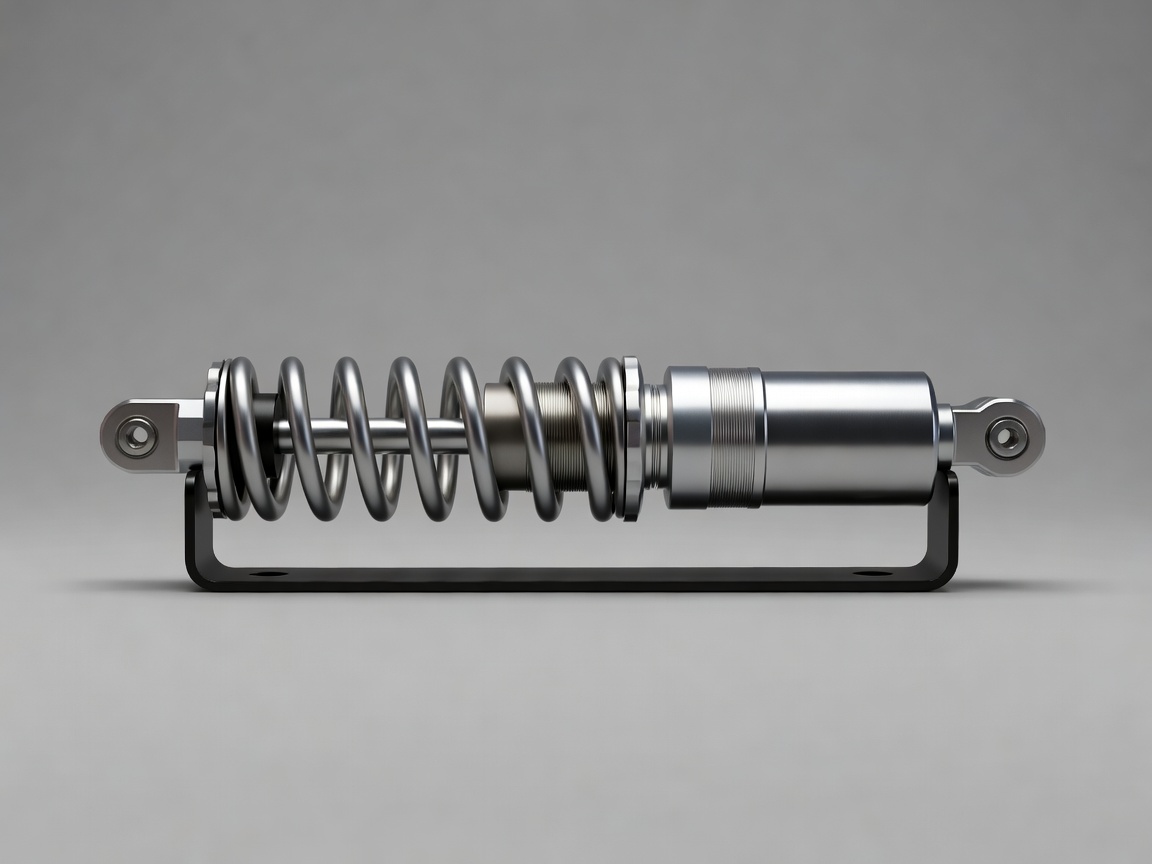
Monoshock
Identify the preload collar and rebound adjuster, usually a small screw at the lower eye.
Chassis guide · Suspension & brakes
Suspension keeps the tyres on the road; brakes convert speed into heat. Learn to find each part, read its shape and understand its job before anyone mentions a spanner.
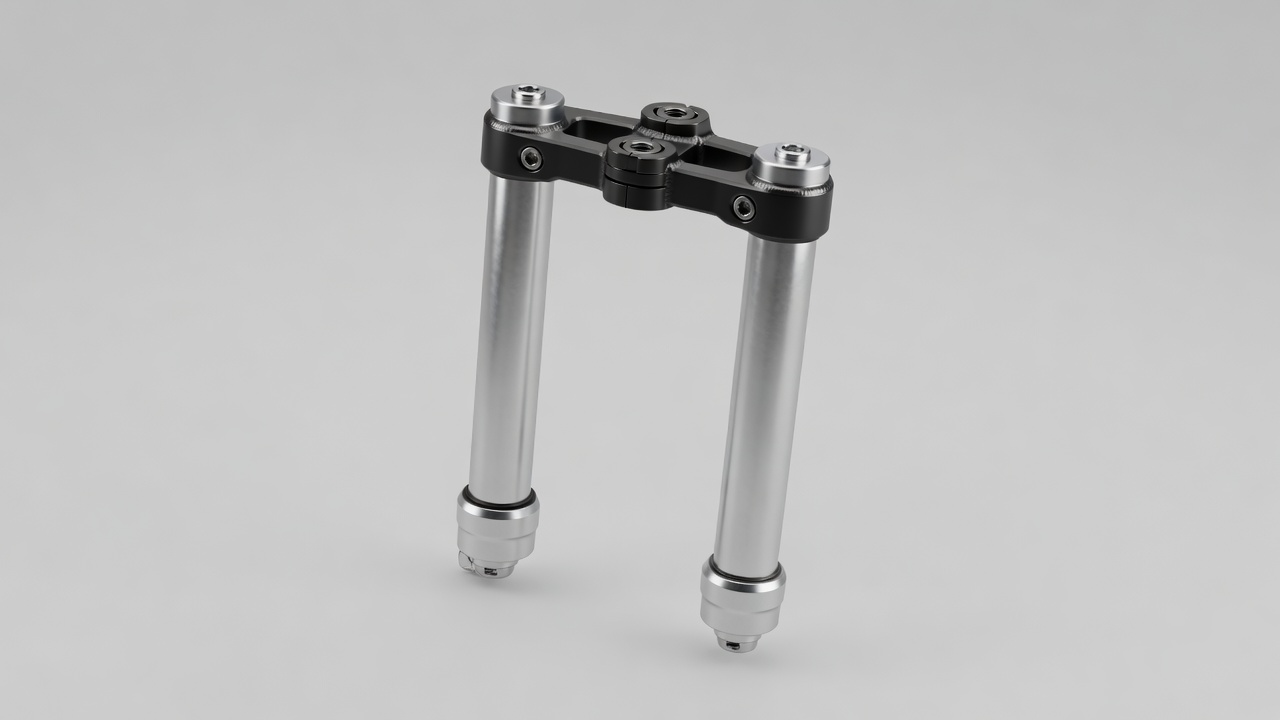
Location: the two tubes running from the handlebar area down to the front wheel axle. Shape: on a conventional fork, the thinner chromed stanchions sit at the top and slide into wider lower legs. On an upside-down (USD) fork, common on sports and adventure bikes, the wide tubes are at the top and the slim chromed section is at the bottom.
Purpose: each leg contains a spring that supports the bike's weight and a damping system that controls how quickly the fork compresses and rebounds. Manufacturers such as KYB, Showa, Marzocchi and Öhlins supply forks to many brands. Some forks carry adjusters on the top caps for preload, compression or rebound; many budget models have none.
A rubber fork seal sits where the stanchion enters the lower tube. A thin oily ring on the chrome after a ride can point to a leaking seal — a reason for a workshop inspection, because fork oil can reach the brake disc.
 1234
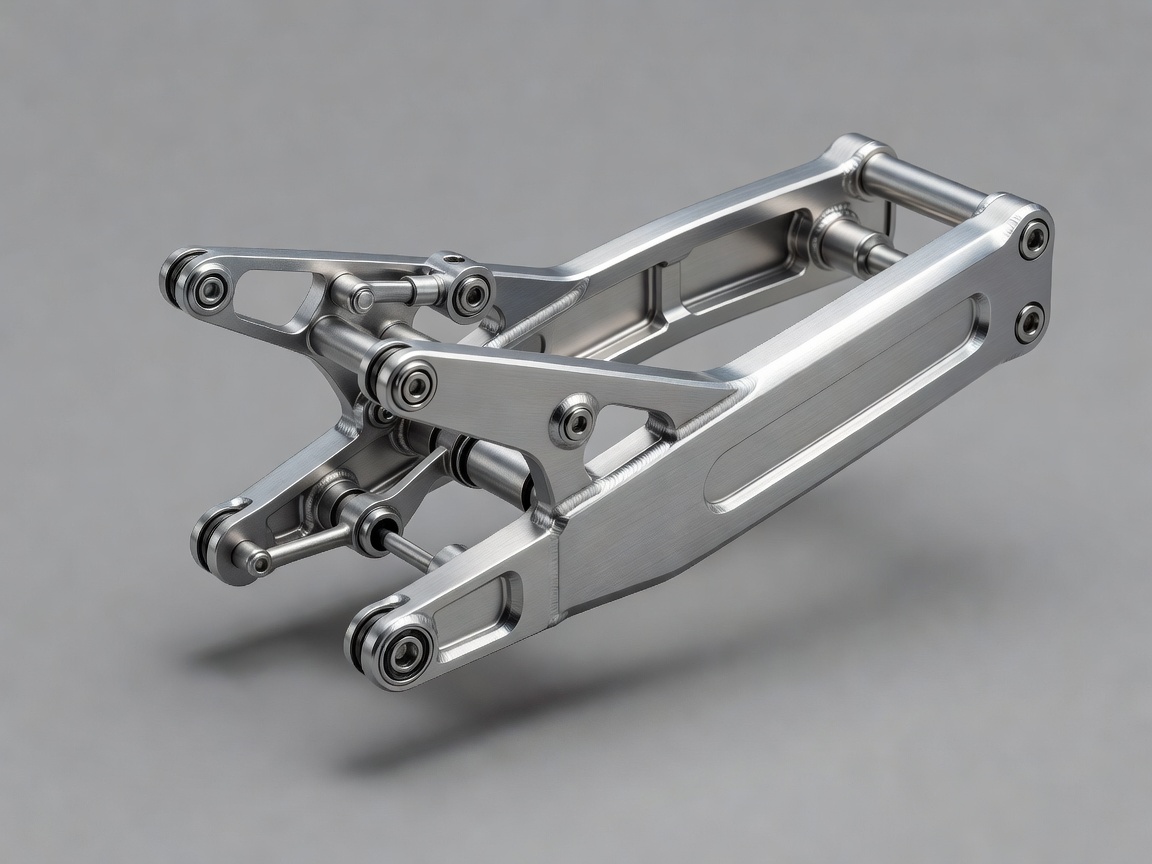
Location: behind the engine, under the seat. The swingarm is the pivoting arm holding the rear wheel. Most modern bikes use a single monoshock, sometimes connected through a linkage of small levers that change how stiff the suspension feels through its travel. Classic and retro bikes often use twin shocks, one on each side.
Shape: a coil spring around a damper body, sometimes with a remote gas reservoir. A threaded or stepped collar at one end sets spring preload. Purpose: to control rear wheel movement and keep the chassis level under acceleration and over bumps.
SuspensionIdentify the preload collar and rebound adjuster, usually a small screw at the lower eye.
 Chassis
Pivot bearings and linkage bearings need periodic grease; intervals vary by model.
A hydraulic disc brake has four main parts. The master cylinder sits at the right handlebar (front brake) or near the right footpeg (rear brake) and has a fluid reservoir, often with a sight window. A brake line carries fluid to the caliper, which straddles the disc bolted to the wheel. Inside the caliper, pistons push friction pads onto the disc.
Calipers may be axial-mount (bolts run front to back) or radial-mount (bolts run vertically, common on sports bikes from Brembo, Nissin and Tokico). Many bikes also carry an ABS tone ring — a slotted ring near the hub — read by a wheel-speed sensor.
The reservoir cap usually states the fluid type, most often DOT 4. Glycol-based fluids (DOT 3, 4, 5.1) absorb moisture over time; silicone DOT 5 is a different chemistry and must never be mixed with them.
Safety note: Never ride with a spongy lever, fluid below the minimum mark or pads worn to the wear indicator groove. Brake bleeding, caliper overhauls and ABS work require model-specific procedures and torque values — leave them to a qualified technician unless you are trained.
| Component | Normal function | Symptom to report |
|---|---|---|
| Fork | Smooth, controlled dive under braking | Oil on stanchions, clunk over bumps |
| Rear shock | Settles after one rebound | Bouncing, oil on shock body |
| Master cylinder | Firm lever with consistent travel | Spongy or lever reaching the bar |
| Caliper | Releases freely when lever is let go | Dragging, heat, uneven pad wear |
| Disc | Flat, smooth friction surface | Pulsing lever, deep grooves, cracks |
Visual identification has limits: two calipers can look identical yet use different pads or mounting widths. Confirm part numbers with your model's parts catalogue.
Next: follow power through the final drive →We use cookies Essential cookies keep this site working. Optional ones help us see what is useful. You can change your choice at any time. More about cookies