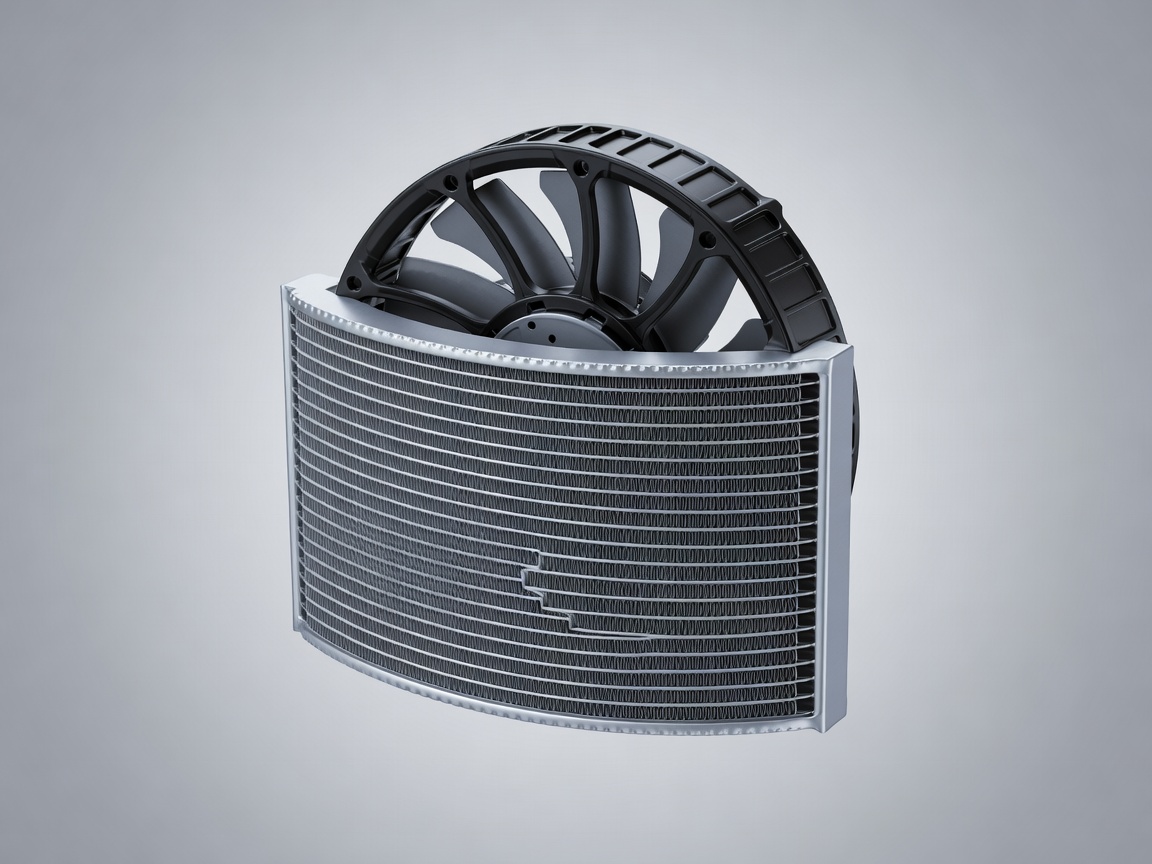
 Cooling
Radiator & fan
Thin fins carry heat away; the fan switches on in slow traffic.
Fuel & cooling guide
Fuel goes in; heat must come out. These two systems sit close together on most bikes, and both deserve respect: petrol is flammable and coolant can be scalding.
The fuel tank sits between the rider's knees on most bikes, though some designs hide it under the seat. On older carburettor bikes, a fuel tap (petcock) under the tank lets fuel flow by gravity, often with ON, RES (reserve) and sometimes PRI (prime) positions. Many taps are vacuum-operated and only open when the engine runs.
Fuel-injected bikes use an electric fuel pump, normally inside the tank on a flanged plate with a sender for the fuel gauge. You may hear it hum for a second or two when the ignition is switched on — a useful identification clue. A fuel filter may be part of the pump assembly or inline.
Carburettors are bulky alloy bodies between the air box and the engine, with a round float bowl underneath and a throttle cable at the top. Inside, jets meter fuel as air rushes through. Brands such as Mikuni and Keihin supplied most Japanese carburettors.
Fuel injection replaces them with slimmer throttle bodies, each with an injector — a small cylinder with an electrical connector — fed by a fuel rail. A throttle position sensor sits on the side of the throttle body, and the engine control unit (ECU) decides how long each injector stays open. Emission standards such as Euro 5 have made injection universal on new road bikes.
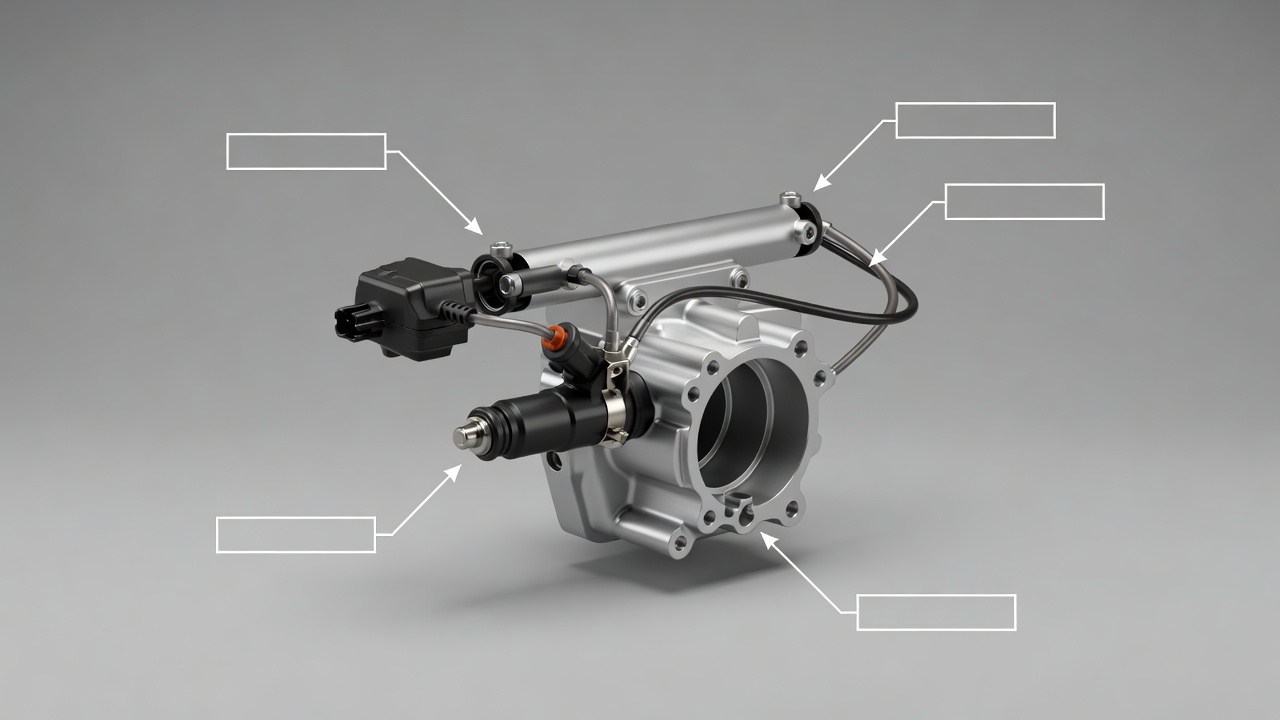 1234
Safety note: Fuel-injection lines stay pressurised after the engine stops. Never disconnect fuel hoses, open a carburettor or work near fuel with heat, sparks or a running engine nearby. Fuel system work belongs in a ventilated workshop with model-specific instructions.
Air-cooled engines wear deep fins on the cylinders and heads and rely on airflow. Some add an oil cooler: a small finned radiator carrying engine oil, often mounted low at the front. Liquid-cooled engines use a radiator behind the front wheel, rubber hoses, a water pump driven by the engine, a thermostat that opens as the engine warms, an electric fan and a translucent expansion tank marked with minimum and maximum lines.
CoolingThin fins carry heat away; the fan switches on in slow traffic.
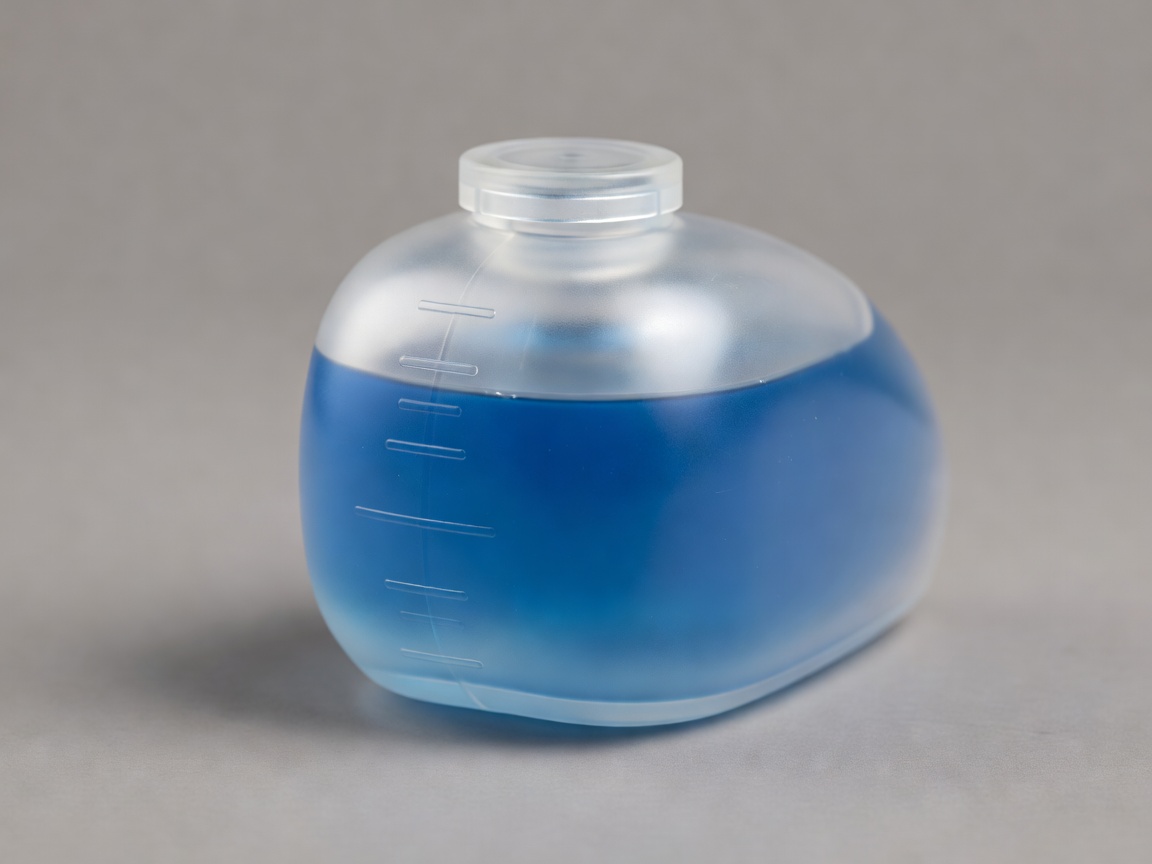 Coolant
The owner's level check point. Read it cold, with the bike upright.
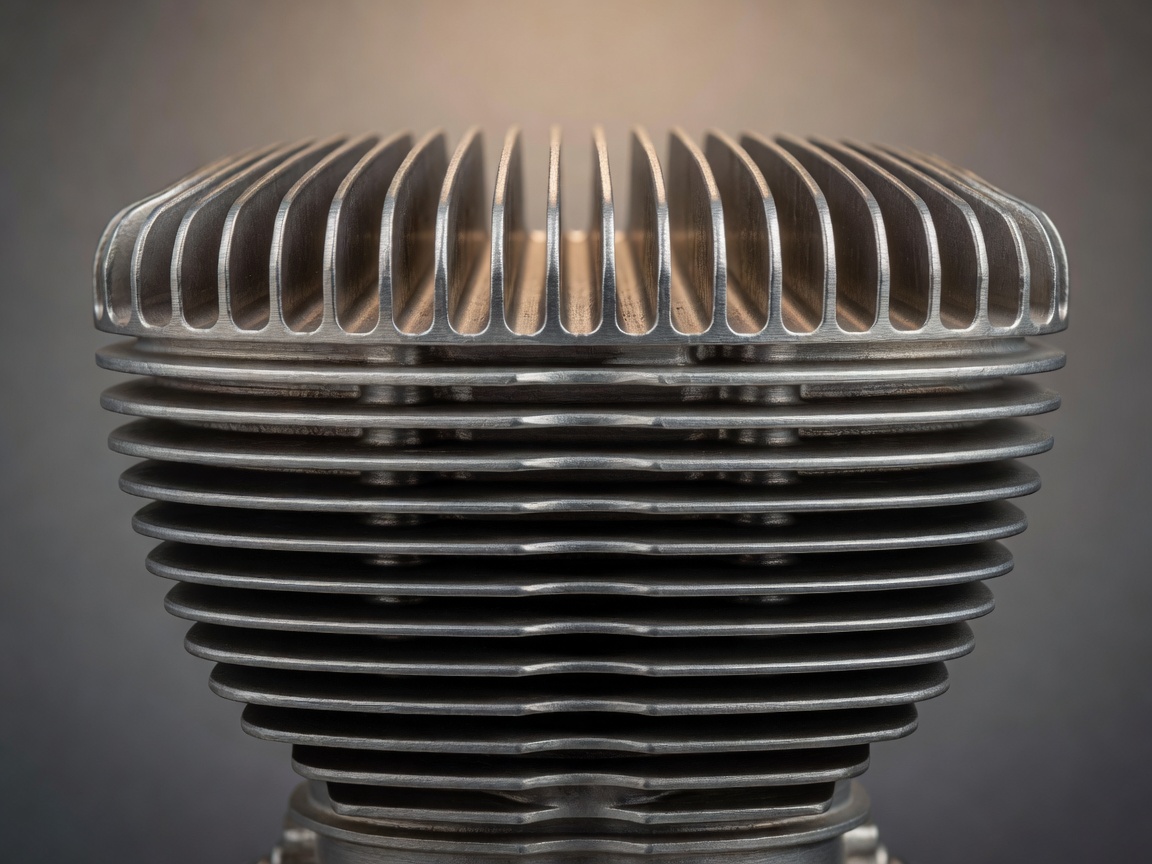 Air-cooled
Keep them clean; blocked fins reduce cooling.
Safety note: Never open a radiator cap on a hot engine. Coolant is under pressure and can cause severe burns. Use only the coolant type your manual specifies; it is toxic to people and animals.
| Component | Normal function | Symptom to report |
|---|---|---|
| Fuel pump | Brief hum at ignition-on | Silent pump, engine cranks but won't start |
| Injectors / carburettor | Smooth idle and pick-up | Hesitation, fuel smell, flooding |
| Radiator fan | Cycles on in traffic | Never runs, temperature warning |
| Expansion tank | Level between marks when cold | Falling level, sweet smell, steam |
| Hoses | Firm, dry joints | Cracks, swelling, crusty residue |
We use cookies Essential cookies keep this site working. Optional ones help us see what is useful. You can change your choice at any time. More about cookies