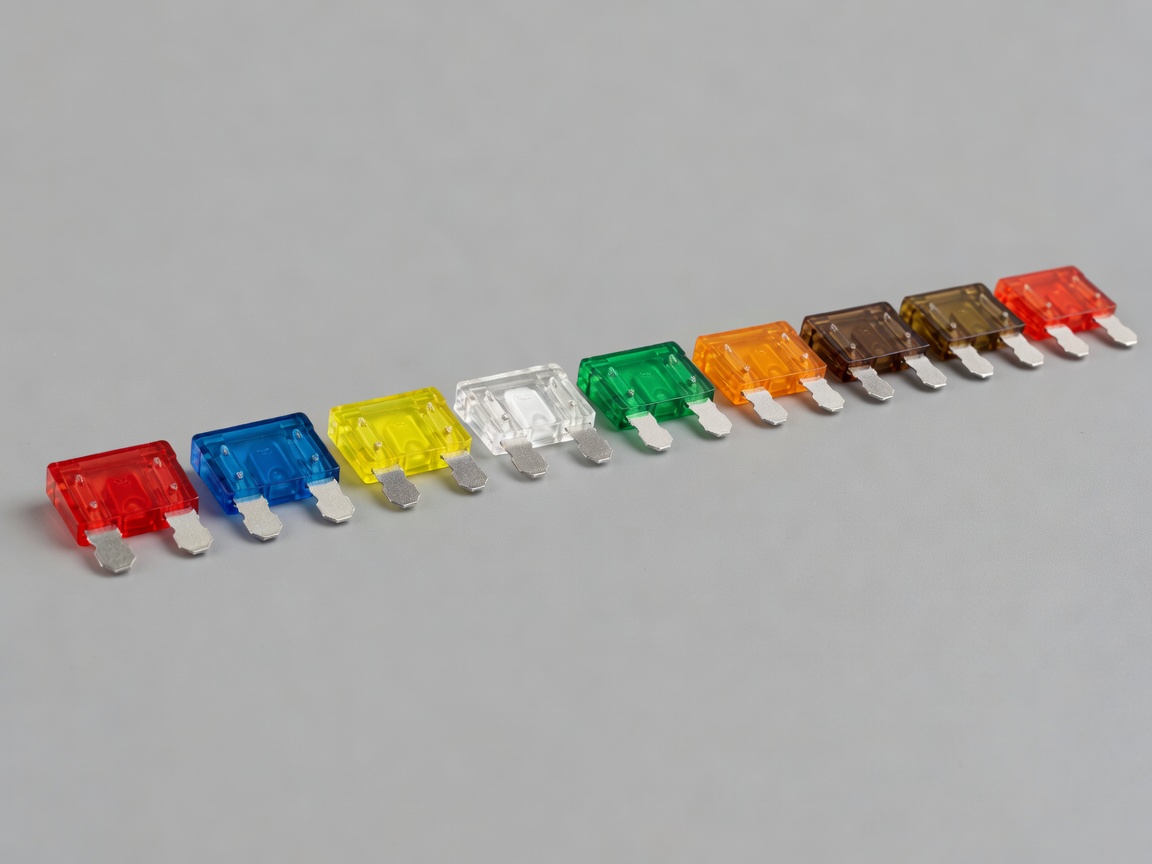
 Fuses
Blade fuses
Replace only with the same rating. A fuse that blows repeatedly signals a fault.
Electrical guide
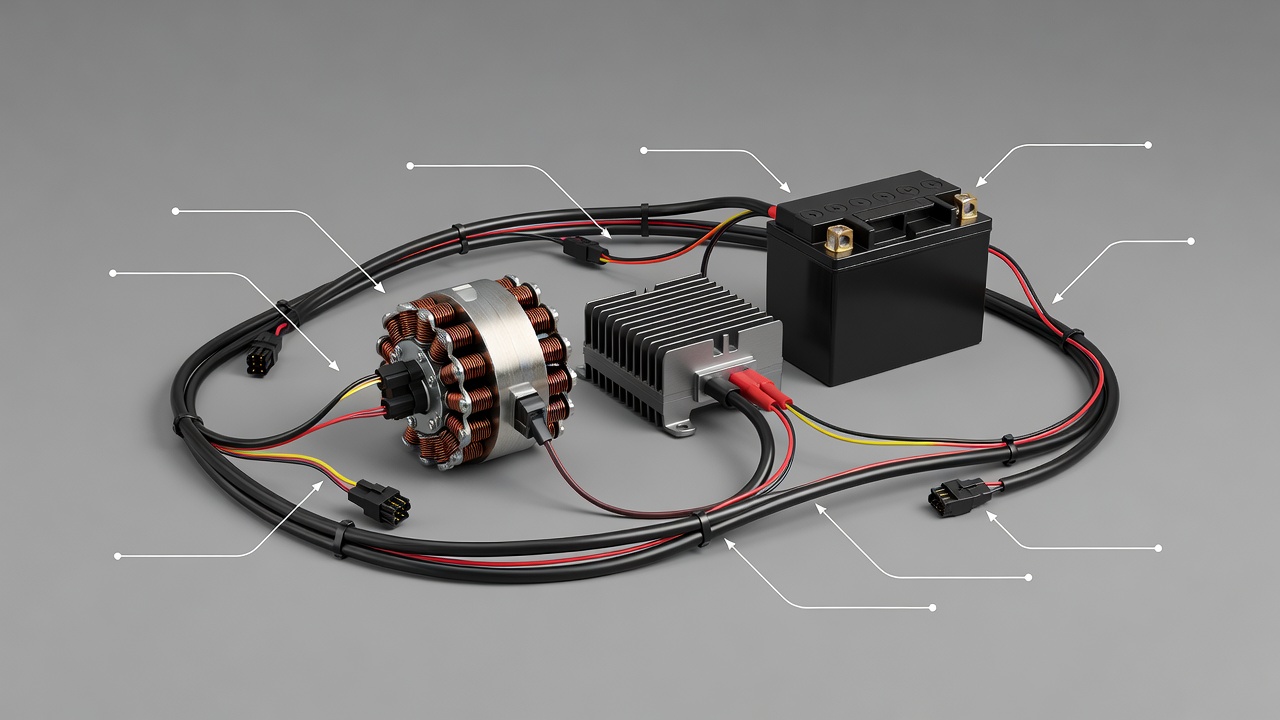
A motorcycle's electrics fit into a few clear groups: generate, regulate, store, protect, control and use. Recognise each block and the wiring loom stops looking like a tangle.
The stator is a ring of copper windings hidden behind a round cover on the side of the engine, usually the left. Magnets on the spinning rotor induce alternating current in it. Three wires, often yellow, leave the cover and run to the regulator/rectifier: a finned metal box, usually mounted where air can reach it. It converts AC to DC and limits charging voltage so the battery is not overcharged.
Many workshop manuals give a charging voltage range measured at the battery with the engine running. That test needs a multimeter and an understanding of what you are measuring.
 1234
The battery usually sits under the seat. Traditional flooded lead-acid batteries have filler caps; sealed AGM types (Yuasa is a common brand) are maintenance-free; lithium iron phosphate (LiFePO4) batteries are lighter and need a charger designed for lithium chemistry. Terminals are marked + (often red) and − (black).
Safety note: Disconnect the negative terminal first and reconnect it last. Never let a tool bridge both terminals. Lead-acid batteries can release hydrogen gas while charging, so keep sparks and flames away.
Blade fuses are colour-coded plastic plugs; the colour and number show the rating in amps. A main fuse, often 20–30 A, is usually close to the battery or built into the starter relay (sometimes called the starter solenoid), a small block with a thick cable to the starter motor. Other relays switch headlights, fuel pumps and fans so that small switches can control large currents.
FusesReplace only with the same rating. A fuse that blows repeatedly signals a fault.
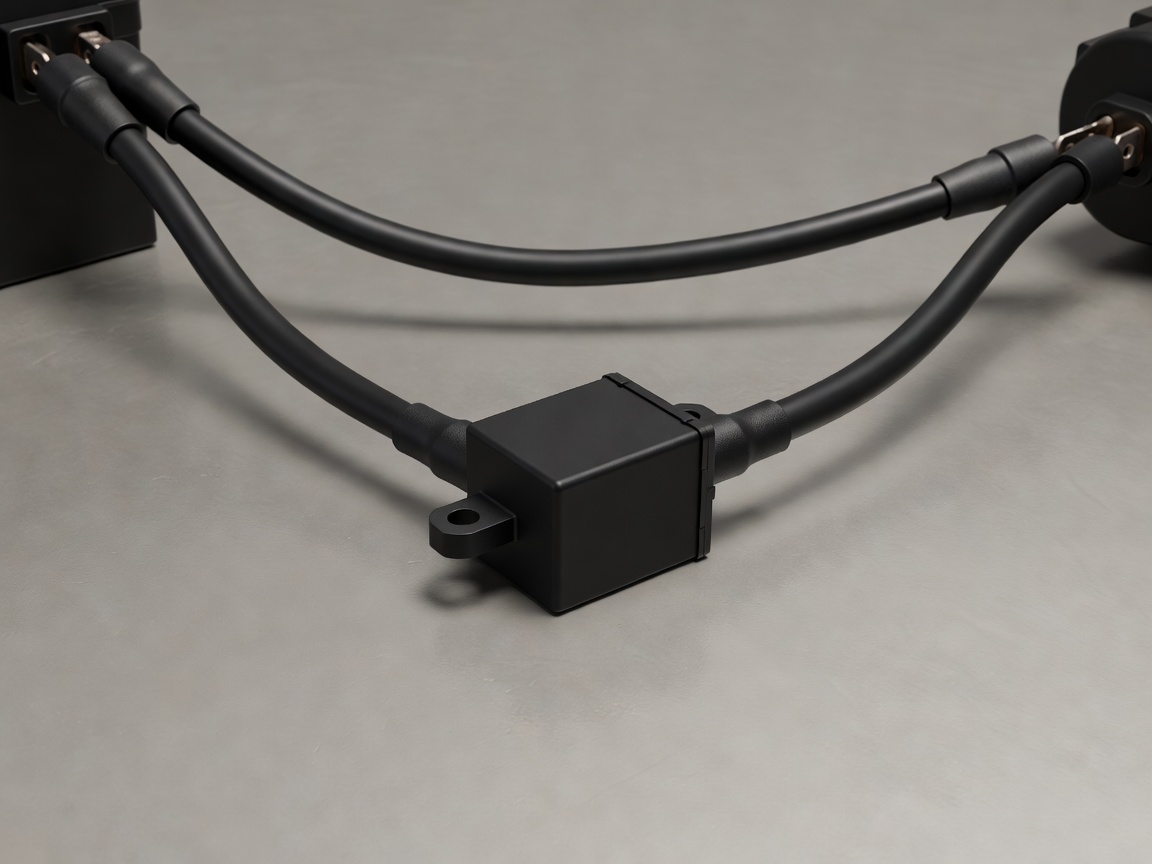 Relays
A click with no crank often points here or to the battery.
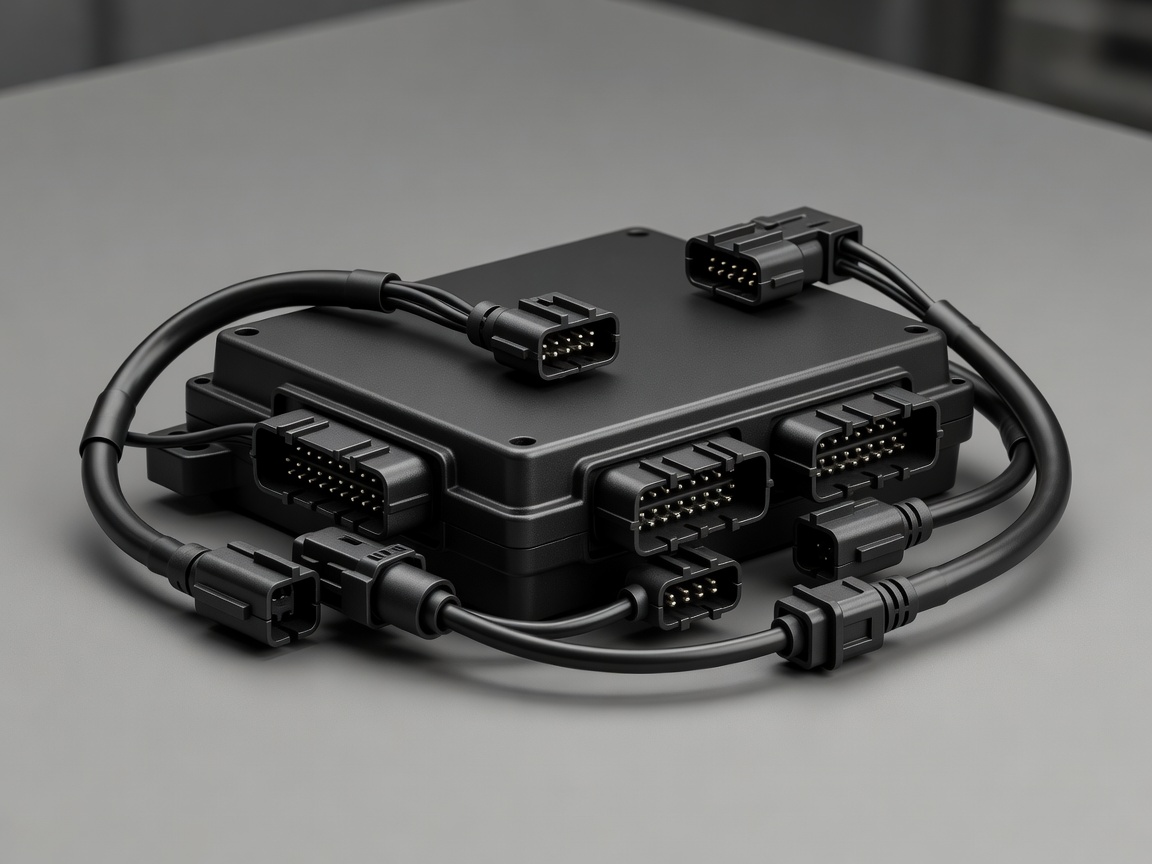 Control
The engine's computer reads crank, throttle, temperature and oxygen sensors.
The ECU is a sealed box with large multi-pin connectors, often under the seat. It reads sensors such as the crankshaft position sensor, throttle position sensor, coolant temperature sensor and, on modern bikes, an oxygen (lambda) sensor in the exhaust. Many recent models connect modules through a CAN bus network, which is why aftermarket accessories sometimes need specific interfaces.
The wiring harness (loom) links everything through weatherproof connectors. Handlebar switchgear controls lights, indicators, horn, starter and the engine kill switch. Lighting is increasingly LED, which draws less current but may need compatible indicator relays.
| Component | Normal function | Symptom to report |
|---|---|---|
| Stator | Produces charge above idle | Battery goes flat while riding |
| Regulator/rectifier | Holds a stable charging voltage | Bulbs blowing, battery swelling, overheating |
| Battery | Strong, quick cranking | Slow crank, clicking, corrosion on terminals |
| Fuses & relays | Circuits work on demand | Dead circuit, repeated blown fuse |
| ECU & sensors | Smooth running, no warning light | Engine management light, erratic idle |
Safety note: Do not cut, splice or bypass wiring, fuses or sensors. Electrical faults can cause fires and can disable lights or the engine while riding. Diagnosis with a multimeter or diagnostic tool should follow the wiring diagram for your exact model.
We use cookies Essential cookies keep this site working. Optional ones help us see what is useful. You can change your choice at any time. More about cookies